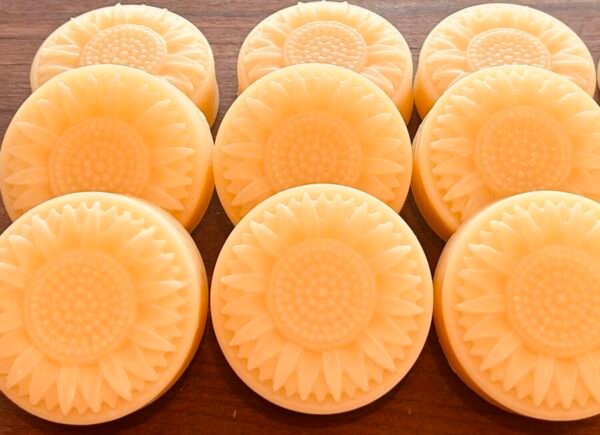
If you enjoy making natural homemade products from scratch, this homemade tallow shampoo bar recipe is a simple and nourishing option for your hair care routine. Made with grass-fed tallow, olive oil, coconut oil, castor oil, and essential oils, these shampoo bars create a rich lather while helping cleanse the hair and scalp naturally.
Homemade shampoo bars are becoming increasingly popular for those looking to reduce plastic waste, simplify their shower routine, and avoid unnecessary ingredients often found in commercial hair products. This recipe combines traditional soap making with moisturizing oils that help create a long-lasting shampoo bar with a creamy lather and gentle cleansing properties.
Grass-fed tallow has been used for generations in homemade soap making because of its hardness and conditioning qualities. Combined with coconut oil for cleansing power, olive oil for moisture, and castor oil for bubbly lather, this recipe creates a balanced shampoo bar suitable for many hair types.
Why You’ll Love This Homemade Recipe
- Made with simple natural ingredients
- Long-lasting solid shampoo bars
- Plastic-free hair care option
- Rich creamy lather
- Helps reduce waste
- Great for travel
- Customizable with essential oils
What Each Ingredient Does
Grass-Fed Tallow
Tallow creates a hard, long-lasting shampoo bar with creamy conditioning lather. It helps add moisture and contributes to the overall durability of the bar.
Coconut Oil
Coconut oil boosts cleansing and creates fluffy bubbles. It helps remove excess oil and buildup from the hair and scalp.
Olive Oil
Olive oil adds gentle conditioning and helps create a milder shampoo bar that feels nourishing on the hair.
Castor Oil
Castor oil helps stabilize lather and adds extra bubbles while helping the shampoo bar feel smoother during use.
Lye
Lye is necessary for the saponification process that transforms oils into soap. Properly cured soap contains no remaining lye.
Essential Oils
Essential oils add natural fragrance and can help customize the shampoo bars depending on your preferences.
Popular options include:
- Lavender essential oil
- Rosemary essential oil
- Peppermint essential oil
- Tea tree essential oil
- Lemon essential oil
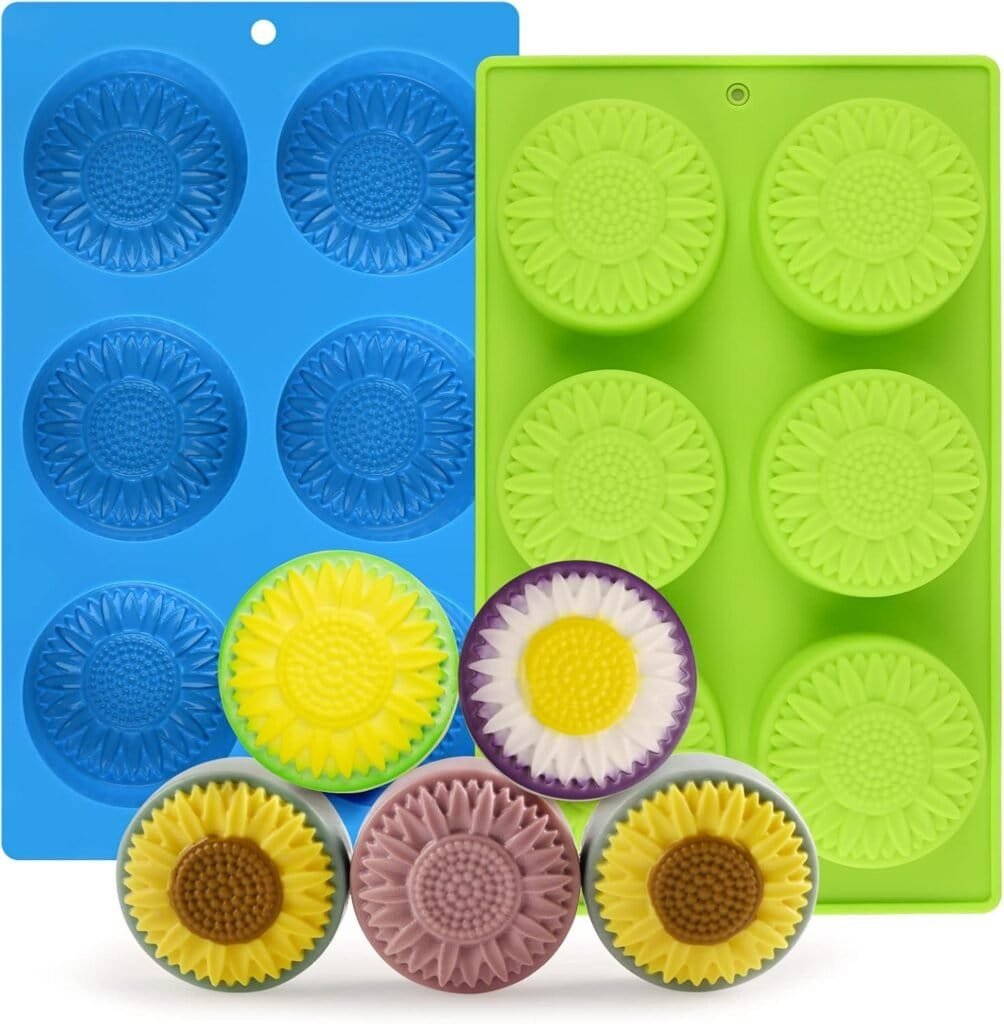
Link to the silicone molds I use.
Don’t want to make your own shop my shampoo bars.
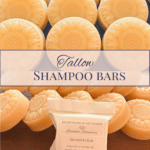
Tallow Shampoo Bars
Equipment
- 1 digital temperature gun
- 1 Immersion Blender
Ingredients
- 10 oz. tallow grass fed
- 10 oz. coconut oil
- 10 oz. olive oil
- 6 oz castor oil
- 5.11 oz. lye
- 13.68 oz. water
- 2 oz essential oil
Instructions
- Weigh the water in a heat-safe container.
- weigh the lye separately.
- In a well vented room or outdoors, wearing gloves and safety goggles, carefully and slowly pour the lye into the water. Stir gently.
- Once the lye water has turned from cloudy to clear, leave it to cool until the temperature is 100 degrees.
- Weigh tallow and coconut oil out and put into a pot to melt. Then add the olive oil and the castor oil. Check the temperature of the oils. You want it to be 100 degrees F. Let cool if necessary.
- Carefully pour the lye water into the oil mixture
- Use an immersion blender to mix the soap. After a few minutes, it will get creamy, and start to thicken. Mix until it has reached trace, the light pudding consistency.
- Add the essential oils and blend again to incorporate.
- Pour soap into molds, top with cardboard or wax paper, and wrap molds in towels.
- After 24 hours, remove soap from the mold. Let cure in an area with good airflow for 4 weeks.