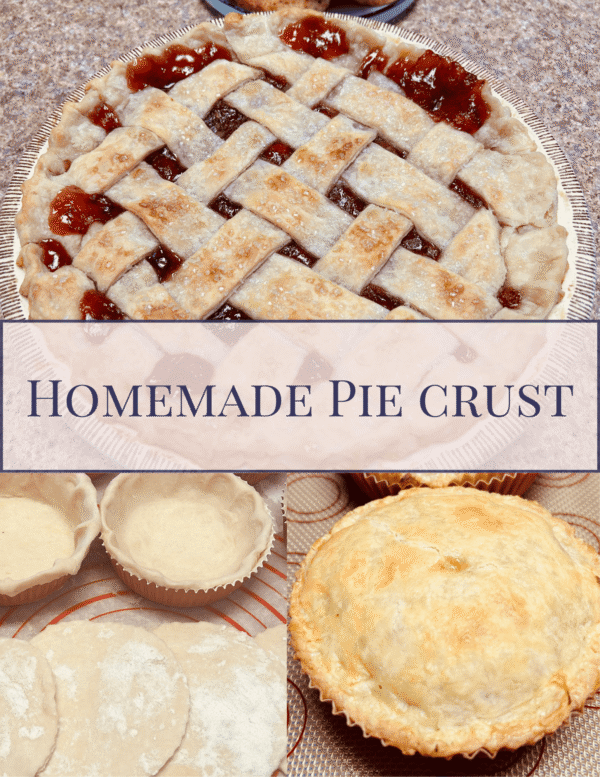
Homemade Pie Crust Recipe
If you’re looking for an easy homemade pie crust recipe that’s buttery, flaky, and perfect for all your favorite pies, this classic pie crust is the perfect foundation for homemade baking. Made with simple pantry ingredients, this dough rolls out beautifully and creates tender flaky crusts perfect for sweet and savory pies.
This homemade crust recipe works wonderfully for fruit pies, cream pies, holiday desserts, chicken pot pie, quiche, and more. Whether you choose to use butter or lard, the crust bakes up golden, crisp, and full of rich homemade flavor.
Perfect for beginner bakers and experienced pie makers alike, this easy pie crust recipe creates dependable results every time.
Why You’ll Love This
This homemade pie crust is:
- Flaky and tender
- Easy to make
- Perfect for sweet or savory pies
- Made with simple ingredients
- Easy to roll out
- Great for holidays and family baking
Keeping small pieces of butter or lard throughout the dough helps create those beautiful flaky layers once baked.
Ingredients
- All-purpose flour
- Salt
- Lard or butter
- Water
How to Make
Start by combining the flour and salt in a large mixing bowl.
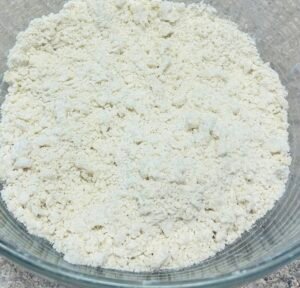
Cut the butter or lard into the flour mixture using a fork, pastry cutter, or your fingertips until the mixture resembles coarse sand with small pea-sized pieces remaining.
Slowly add water until the dough begins coming together. Divide the dough into portions and gently shape each into a disk.
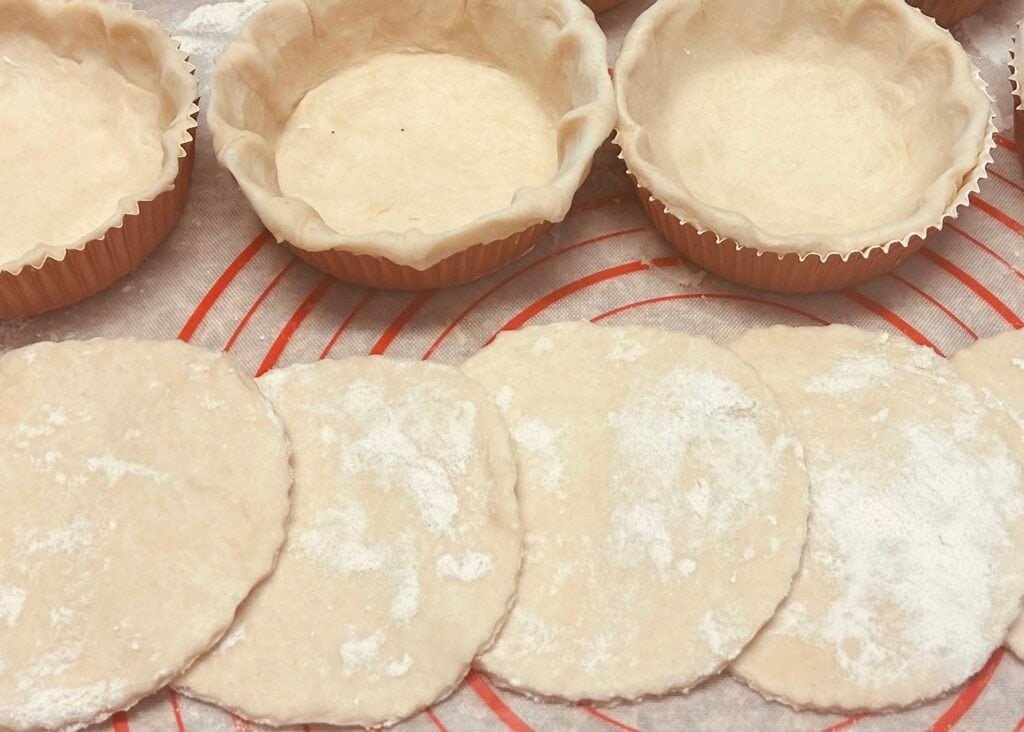
Lightly flour your work surface and rolling pin. Roll the dough outward from the center, turning it occasionally to maintain an even shape and prevent sticking.
Continue rolling until the crust is several inches larger than your pie pan.
Carefully transfer the dough into the pie dish, gently press it into place, and flute or crimp the edges as desired before continuing with your pie recipe.
Tips for the Best
For perfect homemade pie crust:
- Avoid overworking the dough
- Leave small pieces of butter visible
- Use a lightly floured surface
- Roll from the center outward
- Chill the dough if it becomes too soft
The dough should come together easily without becoming sticky or overmixed.
Butter vs. Lard
Butter gives pie crust rich flavor while lard creates an especially flaky texture. Either option works beautifully depending on your preference.
Some bakers even combine both for the perfect balance of flavor and texture.
What Can You Make?
This homemade pie crust is perfect for:
- Apple pie
- Pumpkin pie
- Cherry pie
- Chicken pot pie
- Quiche
- Hand pies
It’s a versatile recipe that works for both desserts and savory meals.
Storage Tips
Pie crust dough can be wrapped tightly and refrigerated before using or frozen for future baking. Allow chilled dough to soften slightly before rolling.
Frequently Asked Questions
Why is my pie crust tough?
Overmixing the dough can develop too much gluten and create a tougher crust.
Should the dough be chilled?
Chilling helps keep the fat cold, creating a flakier crust.
Can I freeze the dough?
Yes! Pie dough freezes very well for future baking.
Why leave small butter pieces in the dough?
Small butter pieces melt during baking, creating flaky layers in the crust.
More homemade bread recipes to enjoy.
Shop My Favorite Cooking & Baking Supplies
Looking for the tools and ingredients I use to make these homemade Recipes? Visit my Amazon storefront to find my favorite essentials, including mixing bowls, cupcake pans, measuring cups, cooling racks, piping bags, equipment, and more.
Homemade Pie Crust
Ingredients
- 3 cups all purpose flour
- 3/4 tsp salt
- 1 cup lard or butter
- 1 cup water
Instructions
- Blend the flour, salt, and butter with a fork or your fingers until the mixture resembles coarse sand, with some small lumps of butter (no larger than pea-sized) remaining.

- Add water to bring the dough together and divide the dough into 4 pieces.
- Lightly flour your work surface and rolling pin. Roll out half of the dough from the center moving outward, turning it a quarter turn and repeating until the diameter of the whole crust is about 4 inches larger than the pie pan. If the edges of the crust start to split, pinch them together before continuing.
- Carefully transfer the pie crust to the pie pan, flute the edges, and proceed with your pie recipe as directed.